BBC Radio 4; Farming Today; The last mud-horse fisherman

The last mud-horse fisherman

Britain’s last mud-horse fisherman Adrian Sellick is facing an uncertain future. He’s catching less shrimp than ever before and there’s no-one to take over this iconic trade.

The mud-horse is a simple wooden sled tied together with rope which Adrian uses to get across the treacherous mud flats of the Bridgwater Bay in West Somerset, collecting Skate, Bass, Dogfish and Shrimp from his nets. Toby Field speaks to Adrian about his work and with fish and shrimp stocks dwindling asks what keeps him going.

Toby also meets Adrian’s Dad, Brendan Sellick, who remembers a time when Shrimps were plentiful and being sold in large quantities to restaurants and shops in the surrounding area. In the fish shop that adjoins their house Adrian and Brendan process the day’s catch and reflect on what the future might hold for an ancient craft that has occupied five generations of their family.

Presented and produced in Bristol by Toby Field.

Programme will be online until May  20th 2019. It is downloadable before that


Here


Eden Project seeking to build a new centre on Morecambe Bay. BBC Radio 4 programme on this.

The famous Eden Project is seeking to build a new centre on Morecambe Bay which would focus on the tidal landscapes, ecology and so forth and also the wider world of water and ecology. See press report here.

The BBC Radio 4 series Open Country recently dedicated an entire episode to this story, discussing many aspects of Morecambe Bay and its tides. Programme link here. (This link might lapse in time).

This is the programmes on-line descriptor.

“The Eden Project plans to bring its distinctive building design and appreciation for biodiversity to Morecambe. It’s hoped that this Eden Project of the North would not only bring many visitors to the wider Morecambe Bay area but that it would also help us to understand the incredible ecosystem within the bay. Until now the Bay has often been feared after tragedies such as when 23 cockle pickers were drowned in 2004. It is the UK’s largest expanse of intertidal mudflats and sands and this ecosystem creates a feeding ground and habitat for many species as well as supporting a unique method of fishing on foot and tractor. Many of those fishermen know how to work and cross the bay safely but Cedric Robinson is the man intrusted as ‘The Queen’s Guide to the Sands’. In this role he has been helping people cross the bay for 55 years and he has seen the bay changing. Helen Mark meets Cedric and hears how the Eden Project and the Morecambe Bay Partnership hope to transform the bay into a place of fascination for all with landscape art, iconic buildings such as The Midland Hotel and proposed Eden Project and the stories of those who know the bay best.”


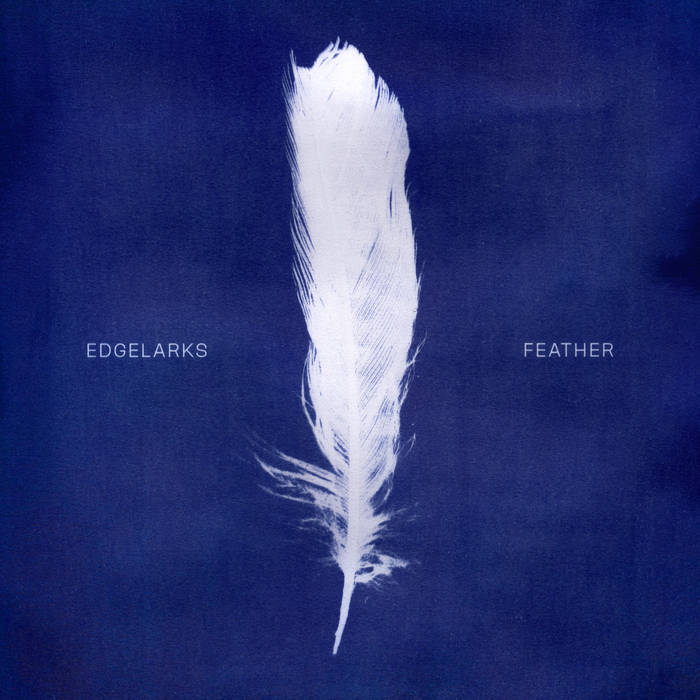
Edgelarks; New CD; Feather; Track 5; What We Save From The Tide

Track 5 of this new CD Feather by Edgelarks; is inspired by the tide, what can be found beach-combing, and the imaginative process. Written by Hannah Martin.

Edgelarks 'Feather' Album Launch Tour

This CD is only just out – as in their previous songs, there is a focus on place, landscapes and environment.

Details of the CD and one sample track are on Bandcamp

They say in the CD notes

“Several books were of particular significance in the writing of these songs. I am thankful to Nick Groom’s The Seasons, Kathleen Jamie’s Findings, and Rebecca Solnit’s Hope in the Dark for all their wisdom.”

So this is modern folk music written very much in relation to contemporary nature writing, and environmental philosophy writing.