I am an emeritus professor of Environmental Humanities, Bath Spa University, UK. I trained as a cultural geographer and have published many academic articles and books on various aspects of place, landscape, memory, nature-society relations, and, specifically, on tides and tidal landscpes. I also am involved in other creative enterprises!
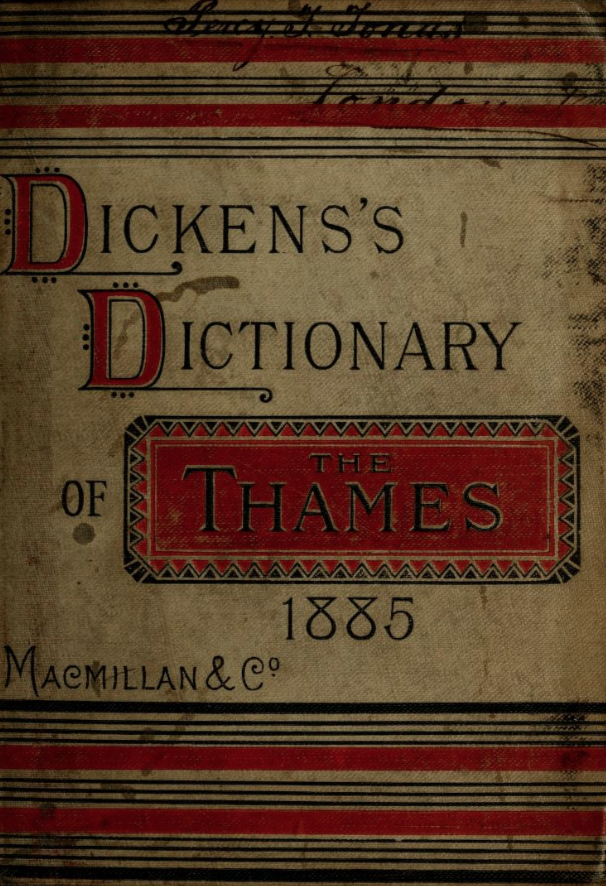
In writing a Lexicon (a kind of dictionary) of the Severn Estuary with the artist Heather Green, to be viewable soon-ish, we discovered this, via Kate Monson’s brilliant PhD on Canvey Island (Brighton University). A Dictionary of the Thames by Charles Dickens. It turns out it is not THE Charles Dickens, but his son. It is a pretty interesting book. There is, inevitably, a number of tide related discussions in it.
“a new study shows that nearly half of the world’s estuaries have been altered by humans, and 20% of this estuary loss has occurred in the past 35 years.”
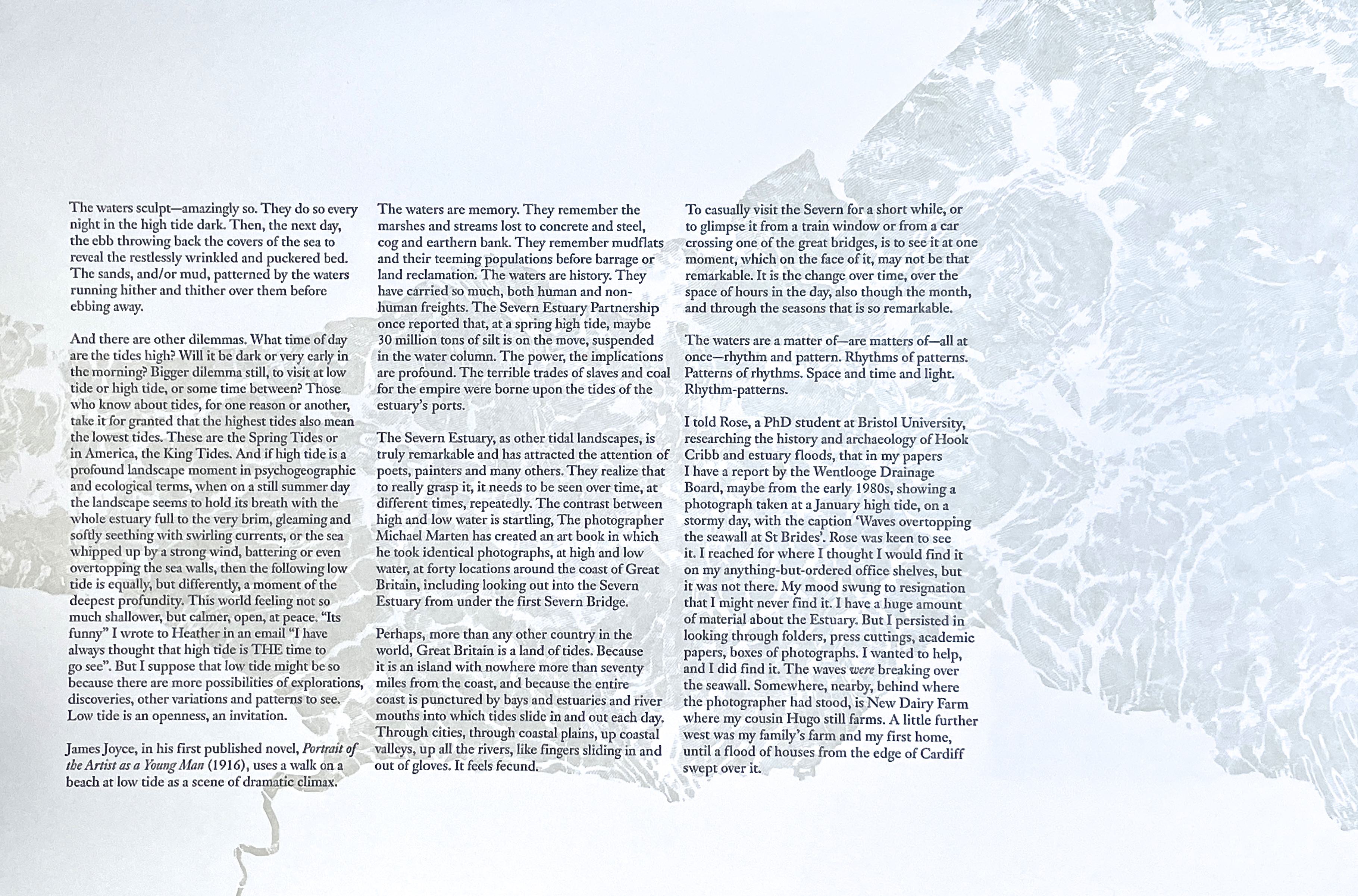
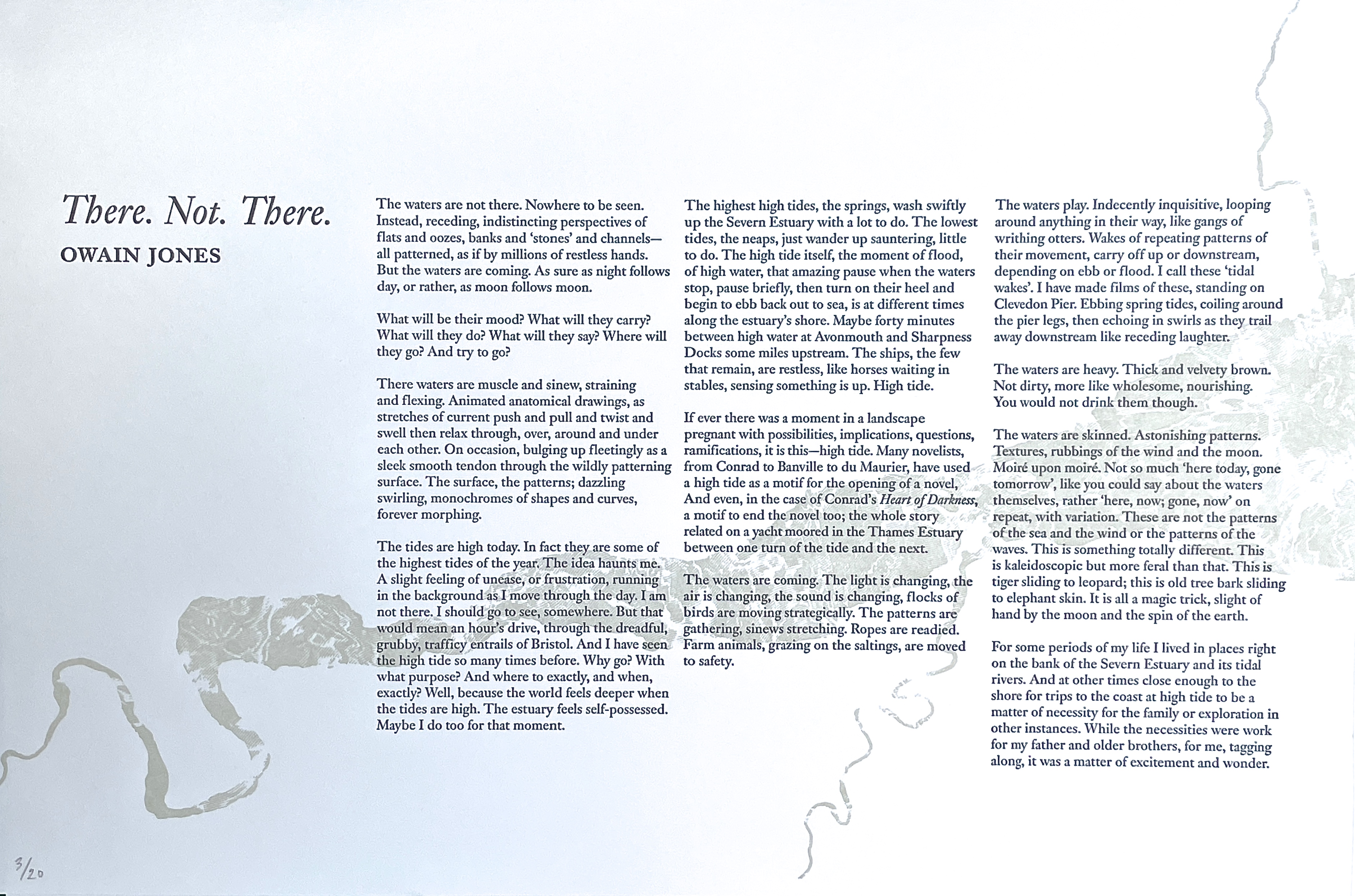
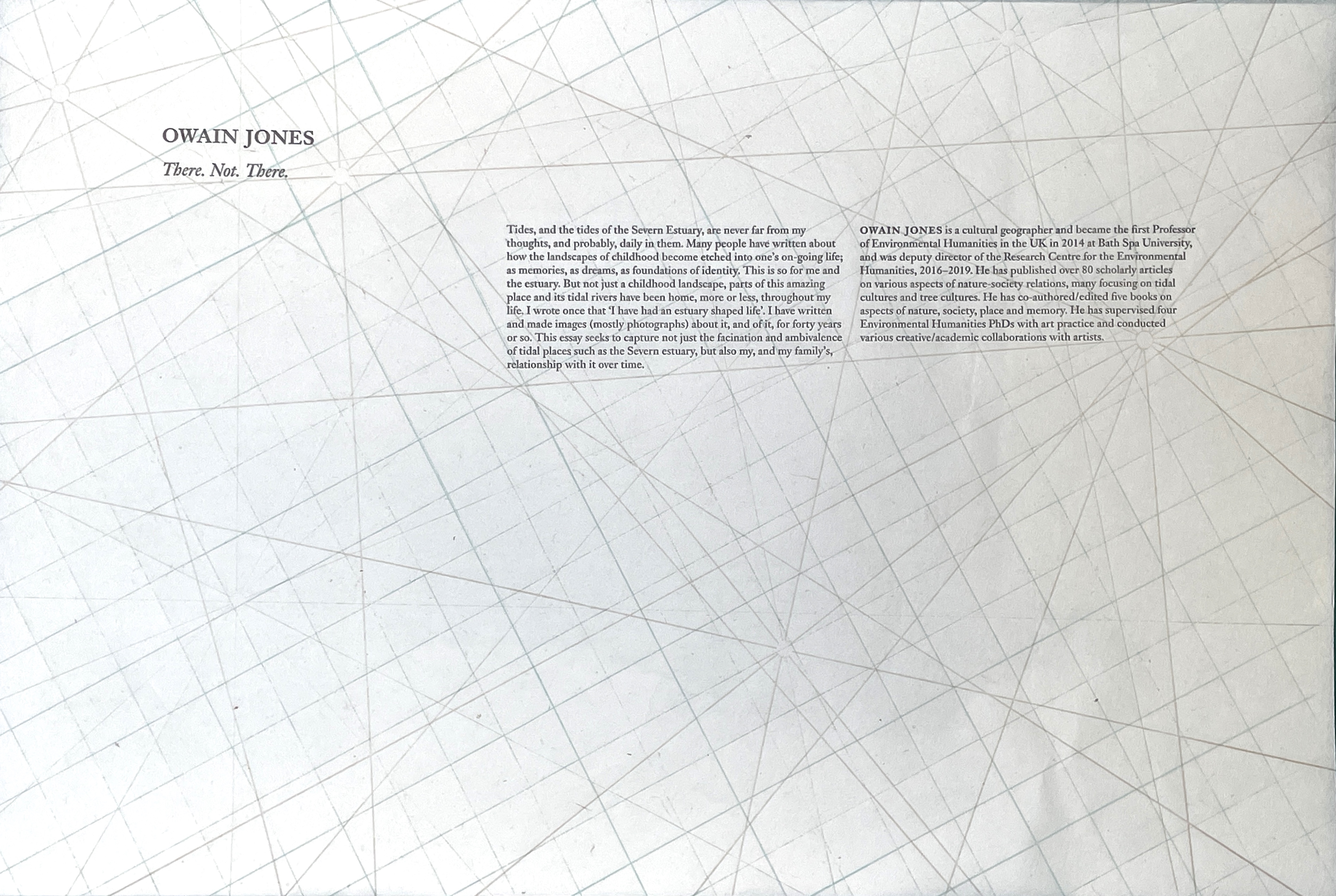
Tidal Timespace: Imprints & Palimpsests: International Print Exchange; curated by Heather Green; UK and US/Mexico; 2023 – 2024.
An international print exchange featuring twelve artists and two essayists from the UK, México, and the US. The collection features essays from Owain Jones and Katherine Larson, and prints by artists Ioulia Akhmadeeva, Inge Bruggeman, Sarah Bryant, Macy Chadwick, Rebbecca Chamlee, Lydia Halcrow, Tracy Hill, Kathryn Maxwell, Coral Revueltas, Wendy Rhodes, Barb Tetenbaum, and Mauricio Toussaint. Each responded to the title of Heather Green’s larger tides project, interpreting it in their own voice. Title, contents, bio, statements and colophon handprinted as interleaving, and essays are hand printed with photopolymer and hand marbling. Print size: 12″x18″, Edition size: 20. See the project website here. Cick on the images to see full size.
“I love flat landscapes more than any other. In 2021 and 2022, I travelled around some of Britain’s flattest landscapes – Cambridgeshire, Suffolk, Morecambe Bay, Orkney, Newcastle Moor – and I’m still not tired of them. Flat places continue to seduce me. Go to any beach when the tide is out, and you get a taste of their magnificence. You don’t need golden sands: mud will do perfectly. The point is to find that ruler-straight line of the horizon, cut with such confidence and swagger against the big sky. When I gaze at a flat space, a weight falls from me and energy rises up through my body. I feel utterly free in body and mind; I want to run and yell and cartwheel.” Noreen Masud 2024.
This blog is about tidal cultures. These are the amazing natural and cultural ecologies that are shaped and entangled by tidal rise and fall at the margins of the oceans. Tidal cultures are present in all coastal landscapes where tides rise and fall. They are particularly rich in highly dynamic tidal landscapes such as estuaries, where tides can raise the sea level many metres in a matter of hours and then lower it again. Often huge areas of inter-tidal land are repeatedly exposed and then inundated through this process. Tidal cultures are thus cultures of the coast, of where the margin between land and sea is always on the move. Tides are some of the most powerful forces on Earth, and, as well as constantly changing the sea level, create powerful currents and other oceanic processes which also shape ecology, culture and economy. Tides, and therefore tidal cultures, have complex daily, monthly, and seasonal cycles driven mostly by the gravitational relationship between the earth, sun and, most importantly, the moon. Other forces and factors also affect tidal processes and rhythms, such as the spin on the earth, and the varying geomorphology of coasts around the world.
A longer description of my life with tides can be found here.
Research and Writing About Tides, Coasts and Estuaries
I am available for frelance journalism, media comment and research about, tides, coasts, estuaries, and tidal cultures in the UK and beyond. Particulalry in the context of climate change and sea level rise which pose huge challenges to coasts, estuaries and wetlands, in the UK and around the world in the coming decades. Please email me at owain.oj(at)btinternet.com, or call / message 07871 572969.
Collaberations.
Through my academic work on tides and estuaries, and through this blog, I have been luckyenough to collaborate with a number of artists / scholars on various talks, papers and projects. These ipeople nclude; Simon Read; Linda Cracknell; Bettina Van Hoven; Louisa Fairclough; Antony Lyons; Davina Kirkpatrick; Natasha Barker; and Michela Palmer.
I am currently undertaking a substantial collaboration with Heather Green of Arizona State University on a project entitled Tidal Timespace. See here.
Blog Content.
Posts.
The blog now consists of over 150 posts which are updates and links to tidal cultural news and points of interest. Pleasse scroll down to browse, or search for any key words you are interested in.
There are 26 pages in all. These contain a lot of varied material including more details of the funded resreach project and the research exchange workhops that were held in the UK and the Netherlands, and various writings by me and others. Please note some pages are grouped and appear in dropdown lists from their parent page.
The main pages of the blog are:
Tidel Related Artworks.This lists over 100 artworks from around the world which are related to tides. This does not include paintings and drawings (there would be many thousands) but lists sculptures, perfomances, films and installations which are inspired by, or connected to, tidal ride and fall in places all around the world. Each entry has a link where possible.
Tidal Glossary. This lists over 150 words and phrases connected to tidal porcesses and places. Many of these are old, local, and/or traditional terms. The glossary leans towards a more poetic that scientific view. There being many technical, scientific terms relating to tides that are not included.
Blog Roll (Right hand column). This is a list of links to other websites relating to tides and tidal culture in some or other way.
About The Author; Professor Owain Jones.
I grew up on a farm near the Severn Estuary (UK). Since then I have lived in places near the estuary all my life. This sparked my interest in tides.
I gained an MSc (Society and Space) and PhD in Cultural Geography at the world leading Department of Geography, University of Bristol; 1993-1997. I then conducted post-doctoral research at Bristol, Exeter, and Open Universities, and other institutions. In series of RCUK (now UKRI) funded projects, I worked upon many aspects of nature-society relations; landscape, place and memory; the environmental crisis; children’s geographies; theories of pragmatism and non-representation. I have conducted research projects on water and society (floods, tides, coastal cultures, water and community; on trees, place and landscape; and children, nature and place. I led a £1.5 million Arts and Humanities Research CouncilConnected Communities project which involves eight UK universities, and numerous community partners and artists in four case study areas across the UK. This project sought to creatively explore and transform connections within and between communities, and communities and nature, in relation to water issues, inclsuing, in the Bristol case study, tides. I was appointed as the first Professor of Environmental Humanities in the UK in 2014 at Bath Spa University where I was deputy director of Research Centre for the Environmental Humanities. (2016 – 2019).
I have published/co-published over eighty scholarly articles. See Academia.edu for a list – many papers can be downloaded.
I have also published five books as a editor and/or co-author.
Pigott, A, Jones, O, Parry, B (Eds.) (2023) Art and Creativity in an Era of Ecocide: Embodiment, performance, practice, London: Bloomsbury.
Holt Y., Martin-Jones D., Jones O. (eds) (2018) Visual Culture in the Northern British Archipelago: Imagining Islands, London: Routledge.
Bastian M., Jones O., Moore N., Roe E. (eds) (2017) Participatory Research in More-than-Human Worlds, London: Routledge.
Jones O., and Garde-Hansen, J. (eds) (2012) Geography and Memory: Identity, Place and Becoming, Basingstoke: Palgrave Macmillan.
Jones O., and Cloke P. (2002) Tree Cultures: The Place of Trees, and Trees in their Place, Oxford: Berg.
“Through an abstraction of flow by numerical indices, the tide is generally perceived as one predictable and regular movement. Yet, tidal predictions are based on an array of various tidal constituents involving astronomical forcing, weather conditions and many other factors, making the tide immensely complex. Behind any tide reading are variegated streams and unexpected patterns (McCully, 2007) that are permanently changing and affected by a complex ensemble, technical and organic, atmospheric and interplanetary. Led by creative practices, this research will analyse the tide as a scientific construct of a predictable and quantifiable pattern (Steinberg, 2001), proposing instead a situated approach towards tidal processes. Using case studies along the Thames, I will develop an understanding of intertidal architecture and how human and non human species collaborate with the tide. I will then develop artworks in the attempt to make the tide differently available and raise awareness.” (Source; UKRI here).
Here iyou can see more about the project and the artist